
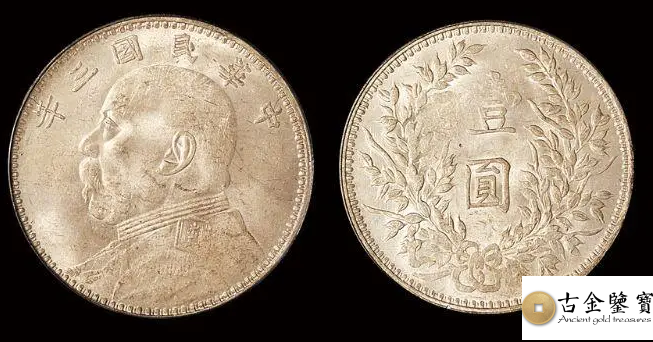
Freeze the pre-holiday silver-dollar record
Give each coin an identifier and save complete faces, full circumference, weight, diameter, packaging and visible condition before the break. Date the observation itself.
- Evidence date: state when the photograph, measurement or note was created.
- Coin date: transcribe only the date or year characters visible on the physical piece.
- Reference date: identify when a catalogue, article or database was consulted.
Keep these three dates in separate fields so a holiday gap cannot turn an observation date into an issue date.
Preserve the first version
Store original images and readings as a locked set, with coin number, camera direction, instrument and native unit. Add later evidence rather than replacing it.
If the variety is uncertain, write the proposed family and the missing diagnostic. A broad type label is sufficient until the required wording or design can be located.
Photograph holders, paper sleeves and seals as context. Note every surface or edge segment they prevent you from seeing.
Repeat the same views after the break
Use comparable lighting, distance and orientation for both complete faces. Then repeat raking-light and located damage views without cleaning the surface.
Weigh and measure at the documented points with the same tool where practical. If equipment changes, record the new instrument instead of presenting the figures as directly equivalent.
Compare Like-for-Like Evidence
Align pre- and post-holiday files by coin number, face, orientation and date rather than trusting filenames or visual similarity.
File names are only an index; the visual match must still agree on identifier, face, orientation, edge order and measurement sheet. A similar-looking coin stays outside the pair.
Describe changes by location and appearance: new contact mark, altered colour, shifted enclosure or missing attachment. Avoid assigning a cause unless documented.
Keep Research Versions Traceable
Retain reference titles, authors or institutions, publication details and access dates, including earlier versions of changing online material.
When an online reference changes, a dated capture or citation trail preserves the earlier basis for the variety wording instead of silently replacing it.
What a Pre- and Post-Holiday Comparison Can Establish
The pre-holiday and post-holiday sets establish two dated observations only when faces, edge sequence, readings and packaging correspond to the same coin.
Lighting, camera distance and orientation explain some apparent colour or hairline differences, so an unmatched photograph remains unsuitable for a condition comparison.
A newly matched image adds evidence without overwriting the earlier file, and every correction preserves its former wording and review date.
An uncertain attribution remains uncertain across the holiday interval unless a newly located diagnostic is visible on the complete coin.
The resulting comparison states what changed in the record, what may be photographic and which view remains unavailable behind the original packaging.
