
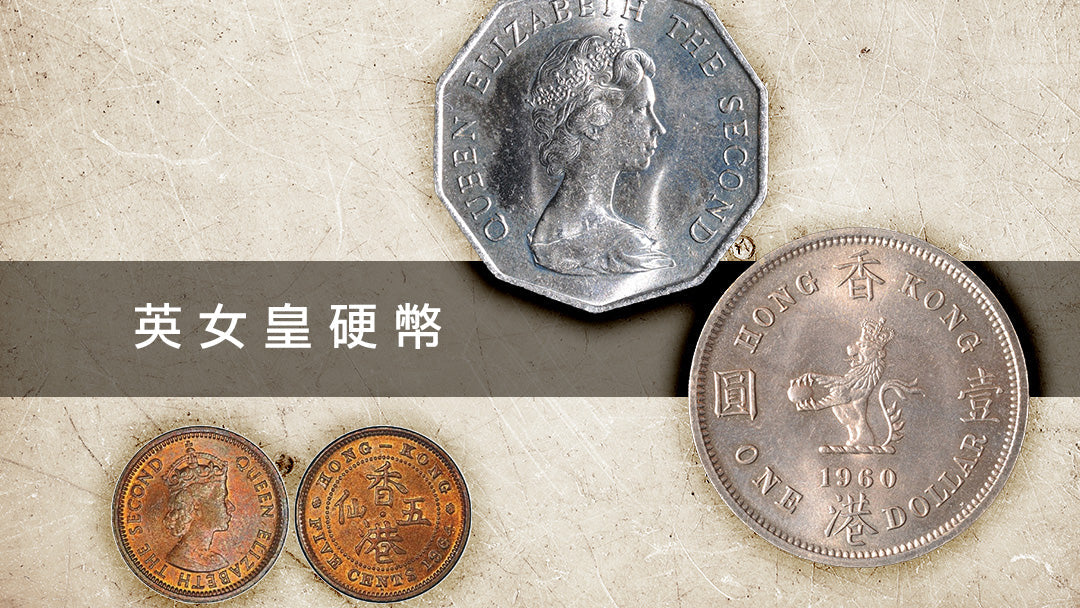
Begin a queen-portrait silver-coin description with visible evidence
Do not identify a queen-portrait coin from an old label or a similar online picture. Start with complete and raking-light views, keeping orientation and the individual coin number clear.
Add the principal designs, border and mint feature positions to the same description. Every photograph, measurement or enclosure note must remain attached to that object.
Details still awaiting examination
Where weight, diameter, tool or original unit is missing, name the gap. Separate unreadable legends, unsupported accounts and areas that cannot be safely opened.
Transcribe the coin before interpreting it
Record the working name, visible wording, designs, dimensions, packaging and current condition. An unclear country, date or denomination should remain open.
Separate toning, circulation wear, strike weakness, wipe marks and bright treated areas. Darkness should never prompt cleaning before photography.
Collector terminology has a limited role
Keep junk dollars, French Indochina piastres, British Trade Dollars, Morgan dollars and other foreign silver in separate groups. Their faces, edges and measurements should not be interchanged.
Use the Chinese nickname only as a finding aid. Formal identification rests on the visible date, denomination, country wording, mint feature and principal design.
Historical or production statements require an identifiable reference and consultation date. Family accounts and web photographs remain supporting context.
Keep the evidence for each coin coherent
Preserve applied marks, paper sleeves and provenance claims separately. None substitutes for the visible legends, design, metal surface or circumference.
Take uncropped faces first, then locate close-ups of the portrait, surrounding wording, mint feature, border and edge on those whole views.
When several examples are present, attach complete images, dimensions, packaging and documents to separate identifiers. Later additions should never migrate between coins.
Let the evidence gap determine direct inspection
Photograph edge lettering, reeding or other decoration in overlapping sections. Leave joints, altered rims, holes and solder untouched.
Images can support sorting and condition notes, while composition, subtle repair or plastic-covered areas may still require inspection in hand.
A useful queen-portrait coin enquiry
Supply complete faces, a full circumference and neutral plus raking-light views. Transcribe the visible year, denomination, national wording and principal designs without extending an old label.
Keep the original weight and diameter with their tools, units and measuring points. A published specification should be labelled as comparison material only.
Describe each scratch, knock or edge change by position. ‘Good condition’ or ‘old appearance’ is too vague for another person to repeat the check.
Bring the current holder and papers to an appraisal, but preserve their wording separately from direct observation. State exactly what remains hidden.
A final review should confirm that every close-up and figure belongs to the same coin. Anything unmatched stays outside the identification.
