
 WhatsApp item photos
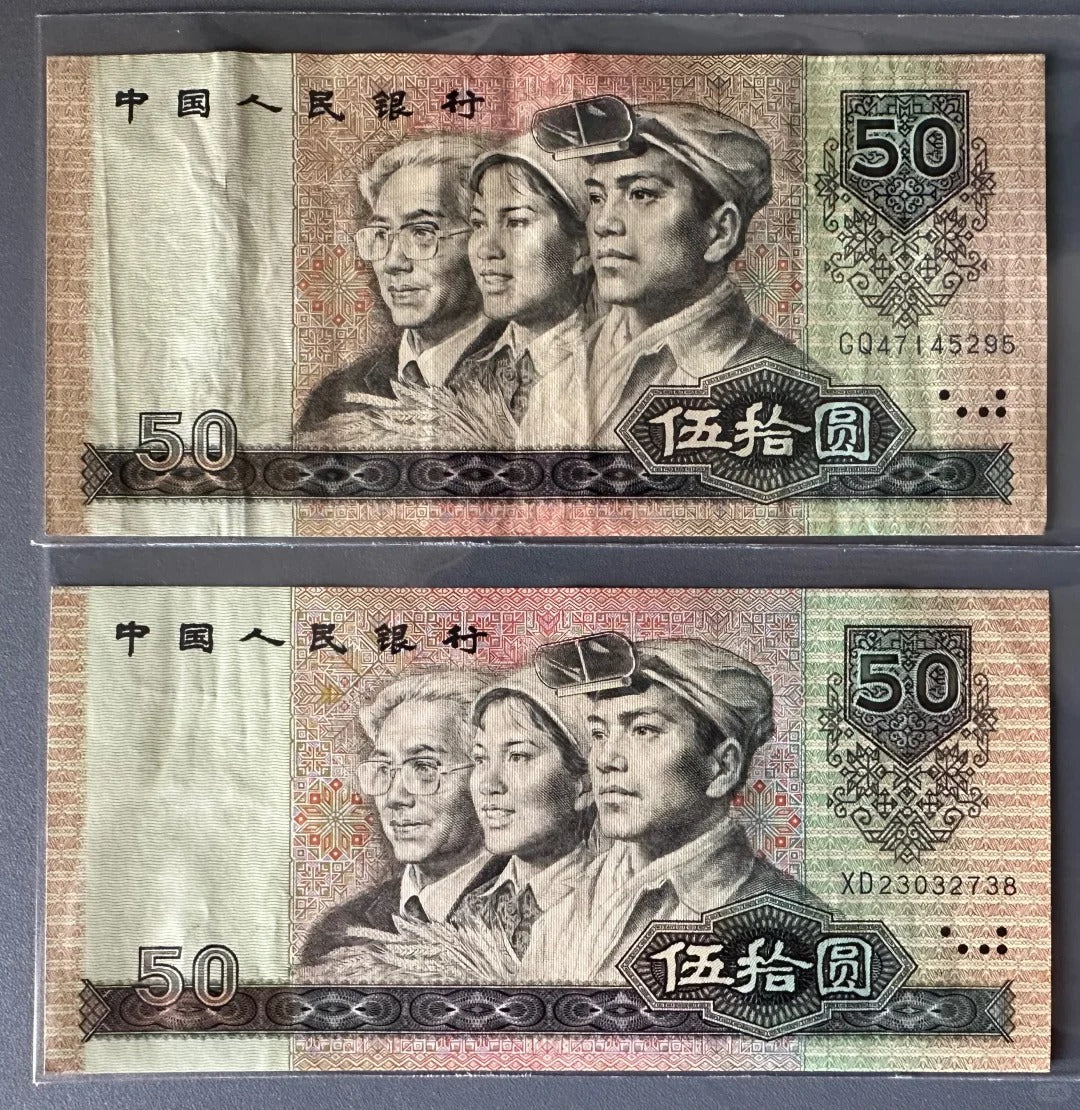
Write visible Renminbi condition before using a grade
Do not describe the note from an old label or a similar online image. Start with complete front and back views, four corners and every edge, preserving camera direction and item number.
Place folds, tears, stains and mould under condition and return each detail to the same note. Keep the necessary images, dimensions and attachments in their own sections.
Evidence that still needs review
If sleeve, album position, seal or sequence information is incomplete, list each missing field. Mark unreadable text, unsupported statements and areas that cannot be opened separately.
Transcribe what the note itself carries
Enter the working name, visible text, designs, dimensions, enclosure and current condition. Anything unclear remains open for note-by-note checking.
Do not break bundles, consecutive runs or originally sealed groups simply for photography. Retain seals, first and last serials, side views and stated count before deciding whether individual access is needed.
Collector names cannot replace paper evidence
Isolate mould, adhesion, splits and old tape from other paper while leaving them undisturbed. Brushing, ironing and damp wiping can create further changes.
Separate food coupons, foreign currency, commemorative notes and uncut sheets into their own groups so different issue contexts and formats are not combined.
Cite the reference and consultation date for issue, production or historical information. Labels, recollections and online images remain indexing aids tied to the note number.
One identifier for the note and its evidence
An earlier sleeve, album page or handwritten annotation may be photographed with the note, but never write, stamp or attach a new label directly to the paper. State any obstruction.
Use even backlighting for a visible watermark and avoid filters. A light source placed too close can erase fibres and outlines through overexposure.
Keep complete photographs, details, dimensions, packaging and papers under one identifier; explain the effect before any contact examination.
Let the unresolved condition determine the next step
Washing, pressing, filled holes, trimmed edges, recolouring and rebuilt corners leave different evidence. Raking light often reveals paper relief better than strong frontal light.
Original photographs can classify and locate obvious damage, yet paper composition, delicate repairs and covered areas may still require examination in hand.
Where Folds End and Repair Evidence Begins
Begin with complete faces, four corners and all edges, then state any missing size, tool or unit. This sequence helps expose a detail assigned to the wrong note.
Place sleeves, album pages, seals and sequence under attachments; put series, value, printed year and principal designs under identification. Both return to one item number.
If a document name conflicts with the physical note, preserve both wordings and dates. Do not import a variety, age or material from a comparable item.
A useful checklist lets another examiner find the same banknote and repeat the observations. Clearly state what remains sealed, hidden or unsupported.
Before enquiry, review the series, format and preservation sections and include only details supported by images and existing evidence.