
 WhatsApp item photos
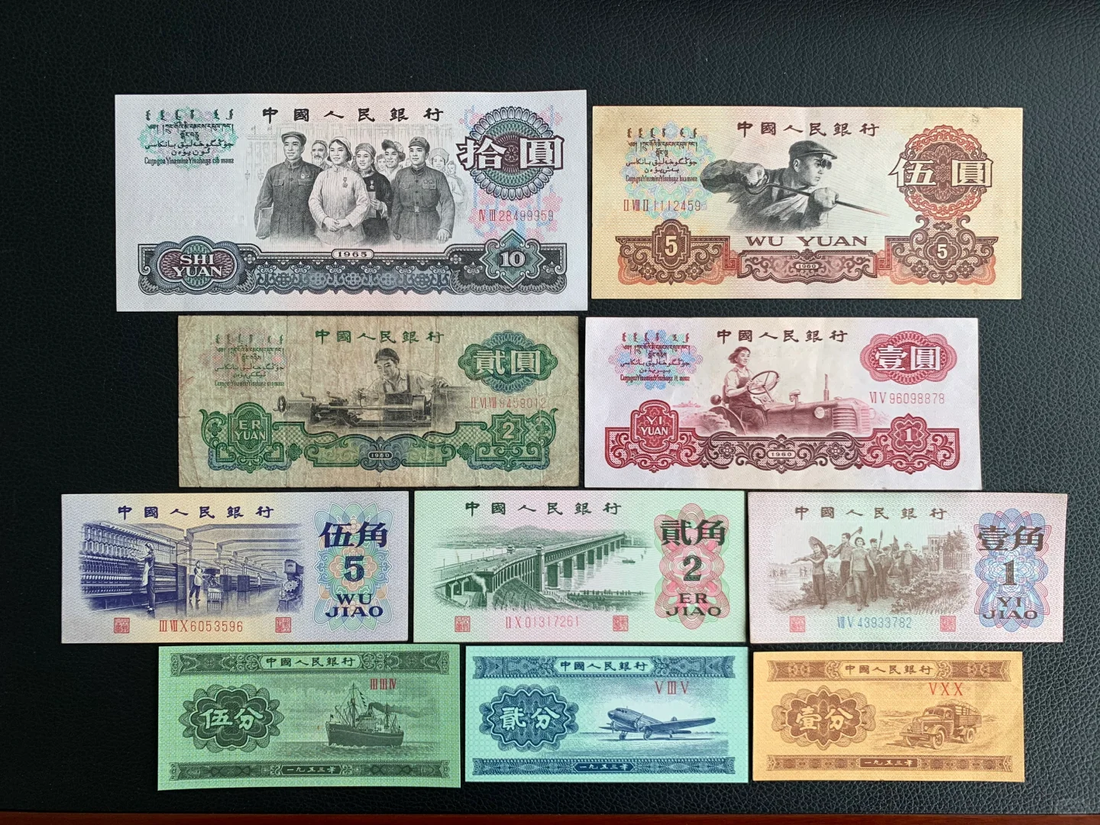
Photograph all four corners of a Third Series note
Begin with the complete front and back, then capture upper left, upper right, lower left and lower right. Each corner view should include both adjoining edges so rounding, loss, repair, replacement or pressing can be located.
Photograph the top, right, bottom and left edges in a fixed order. Number tears, rough fibres, trimming, added margins, adhesive and stains, and measure the paper itself without stretching it or including the sleeve.
Corners and edges describe visible condition; they do not establish an edition or grade alone. Keep full faces, corner views, serial details and transmitted-light images under one note identifier.
Start with dimensions and visible wording
Record the Third Series name, readable text, principal designs, dimensions, packaging and paper condition. Leave an obscured denomination or date wording open for direct comparison.
Do not split an original bundle or consecutive run only for photography. Capture its band, end numbers, side view and visible quantity before considering individual access.
Describe every packaging limitation
Photograph an old sleeve, album page or annotation with the note, but do not write, stamp or attach a fresh label to the paper.
Use even backlighting without filters for any visible watermark or paper feature. Excessive brightness can erase fibre and outline detail.
Keep complete images, close views, measurements, packaging and documents under the same number. This prevents a corner from a similar note being substituted.
Protect the paper while assessing it
Separate washing signs, pressing, filled holes, trimming, recolouring and replaced corners under low-angle light. Never copy a condition detail from another note.
Photographs can locate broad damage, although paper, fine repair and hidden margins may still require examination in hand. Explain any contact risk first.
Treat background stories as research leads
Keep mould, adhesion, tears and old tape unchanged and isolate affected paper from other items. Washing, ironing or a damp cloth can create further damage.
Group ration coupons, foreign currency, commemorative notes and joined-note formats separately when they appear with Third Series Renminbi.
Cite the reference and consultation date for issue or historical information. Album captions and online photographs cannot complete unreadable note details.
What a useful Third Series note enquiry contains
Begin with complete faces, all corners and every edge. Then add the visible series, denomination, date wording, designs and full serial string.
Retain dimensions with the tool, unit and measuring points, followed by careful transmitted-light views and located paper-condition details.
Photograph the sleeve, album order and seal independently. Their descriptions may support provenance but cannot replace the note itself.
Keep original image files when a sharper angle is added. Edits should not conceal a repaired margin or shift the apparent paper colour.
For direct assessment, identify which corner, edge, watermark or repair remains hidden. Safe access matters more than a falsely complete set.