
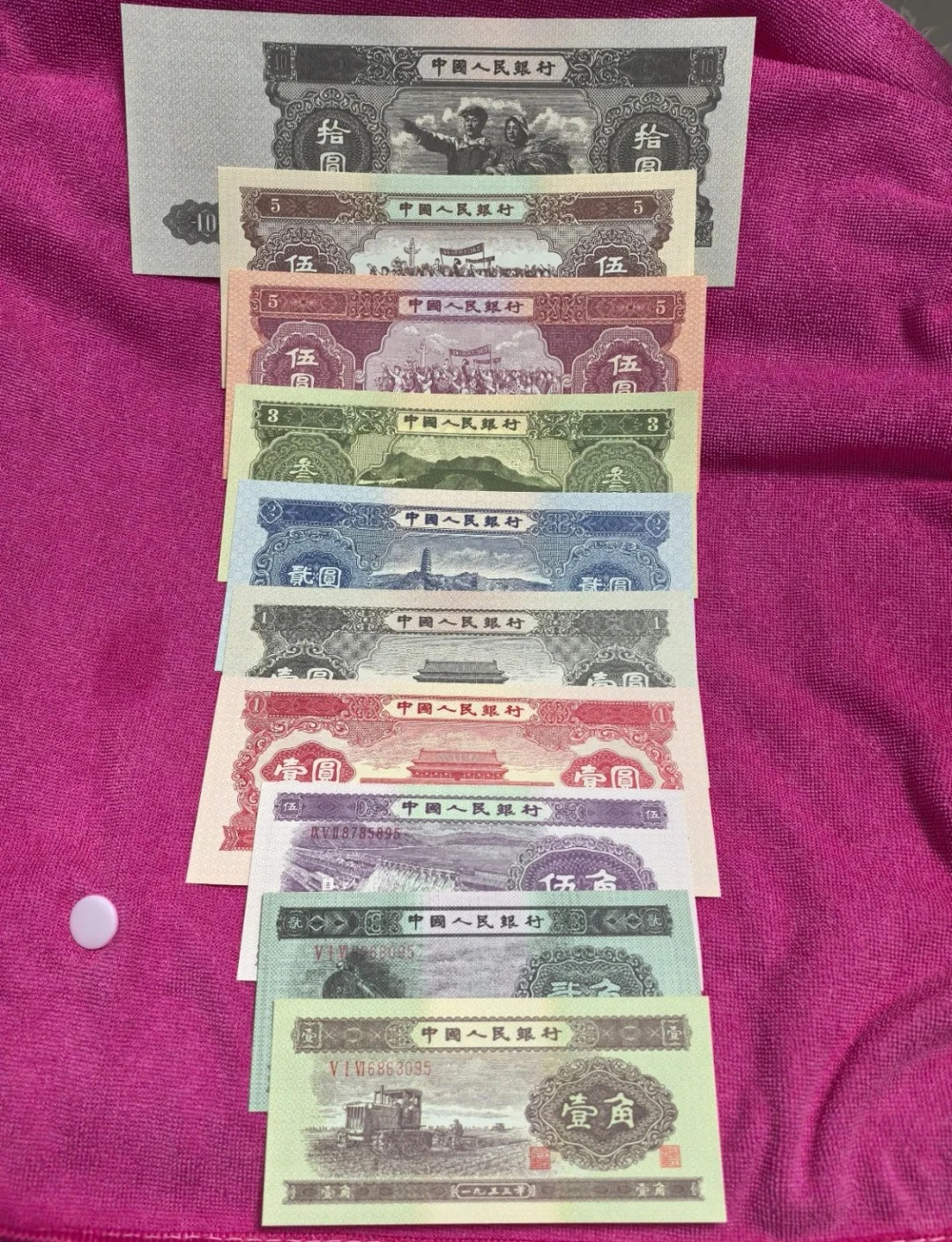
Use a fixed order for Second Series Renminbi evidence
Start with the series, denomination, printed year and main designs, then save dimensions with the measuring tool and original unit. Both groups need the identifier assigned to the individual note.
Next add an even transmitted-light view and distinguish an observed internal feature from an unconfirmed watermark. Preserve the original reading when a conversion or later interpretation is added.
Check that no nickname has supplied unreadable wording, and date the examination. A blank can carry an explanation; it never needs to be filled by guesswork.
Add damage details after the complete note
Water exposure, flattening, patched holes, trimming, recolouring and replaced corners leave different evidence. Use oblique light to reveal paper relief, and connect every photograph to the banknote.
Interpret a special prefix or serial within the correct format. Number interest does not override paper, ink, corners or repair condition, and an obscured character stays unresolved.
Use the same identifier on full images, details, dimensions, packaging and documents. Keep the original figures and units visible when new information is supplied.
Protect unknown features from assumptions
Sort several notes by series, denomination and design. The front, back, four corners, prefix, serial, dimensions and transmitted-light image all need to point to one object.
Do not break a strapped bundle, consecutive run or sealed pack simply for photography. First capture the seal, first and last visible numbers, side profile and stated count.
Cite the source and consultation date for issue, production or historical statements. Treat a previous label, oral account or online image as a research lead.
Examine one banknote at a time
For each note in the proposed three-note group, transcribe the visible name, wording and designs, dimensions, current enclosure and paper condition. Mark anything hidden for later comparison.
Separate ration coupons, foreign currency, commemorative issues and joined or uncut notes. Their formats and collecting contexts should not be merged with the Second Series group.
Find omissions without changing the paper
An old sleeve, album page or annotation may be photographed beside the note. Do not write, stamp or add a new adhesive label to the banknote.
Images can support identification and visible damage, while paper texture, minute repairs and enclosed areas may still need direct inspection. Name the feature that requires it.
Test the three-note group against prefix, serial and backlit evidence
For each note, connect full-face photographs, dimensions and transmitted-light observations to its series, denomination, printed year, principal designs, prefix, complete serial and print position before comparing the group.
Keep backlit observations distinct from evidence of patching, recolouring, flattening or replaced corners. Date oral accounts and later additions so they cannot displace the original photographs.
Photographs can support lettering, design, proportions and conspicuous damage, but may not establish fibre, an internal split or fine later work. Reserve those questions for the physical note.
Do not wash, iron, laminate or pull a banknote from an album page. Preserve adhered, torn or brittle areas until a paper specialist can assess them.
For an enquiry, bring the current enclosure and existing evidence. State which series, format or condition point is missing so the direct review can remain focused.
