
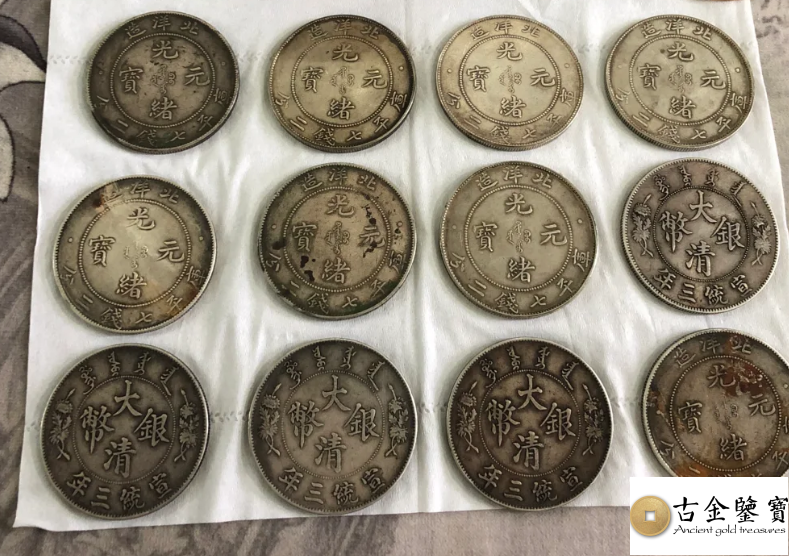
Sort the silver dollars before close inspection
Count and number every coin, establishing consistent obverse, reverse and edge orientation before transcription or condition photography.
- Identity — date, denomination, visible wording and main designs.
- Condition — toning, wear, knocks, wiping and cleaning evidence.
- Images — complete faces, raking-light views and located damage details.
Retain tools, units and any packaging limit. An unsupported field remains open rather than receiving another coin’s facts.
Cite issue information separately
A slab label must agree with the enclosed date, variety and surface; it cannot replace direct observation.
Transcribe both faces before comparing weight and diameter within a supported coin family.
Keep historical sources and consultation dates apart from old labels, oral accounts and online comparisons.
Group by visible coin family
Record working name, inscriptions, designs, dimensions, enclosure and present condition for each piece.
Sort similar coins by date, denomination and main device, keeping their faces, edge and measurements individually linked.
Preserve original readings
Use separate groups for coins sharing a broad name but showing different dates, mintmarks or devices.
Photograph one overlapping edge circuit, retaining seams, filing, holes, solder, mounting and repairs in place.
Keep complete views, details, measurements and documents under the same number throughout review.
Make re-examination possible
Separate toning, high-point wear, weak strike, wiping hairlines and chemical sheen without cleaning the silver.
Images support classification and obvious damage, while metal or subtle repair can require direct review.
Connect faces, wording and edge evidence
First reconcile the date, denomination and two main designs; retain original weight, diameter, tool and unit as a separate check.
Add full views and condition details only when every image can return to its item number and orientation.
Keep observations separate from market names and provenance claims, with each later interpretation dated.
Repeat conflicting measurements in the same position rather than selecting an answer, then define any need for specialist examination.
Complete the evidence set without altering the coin, adding any missing face or edge view before handover.
