
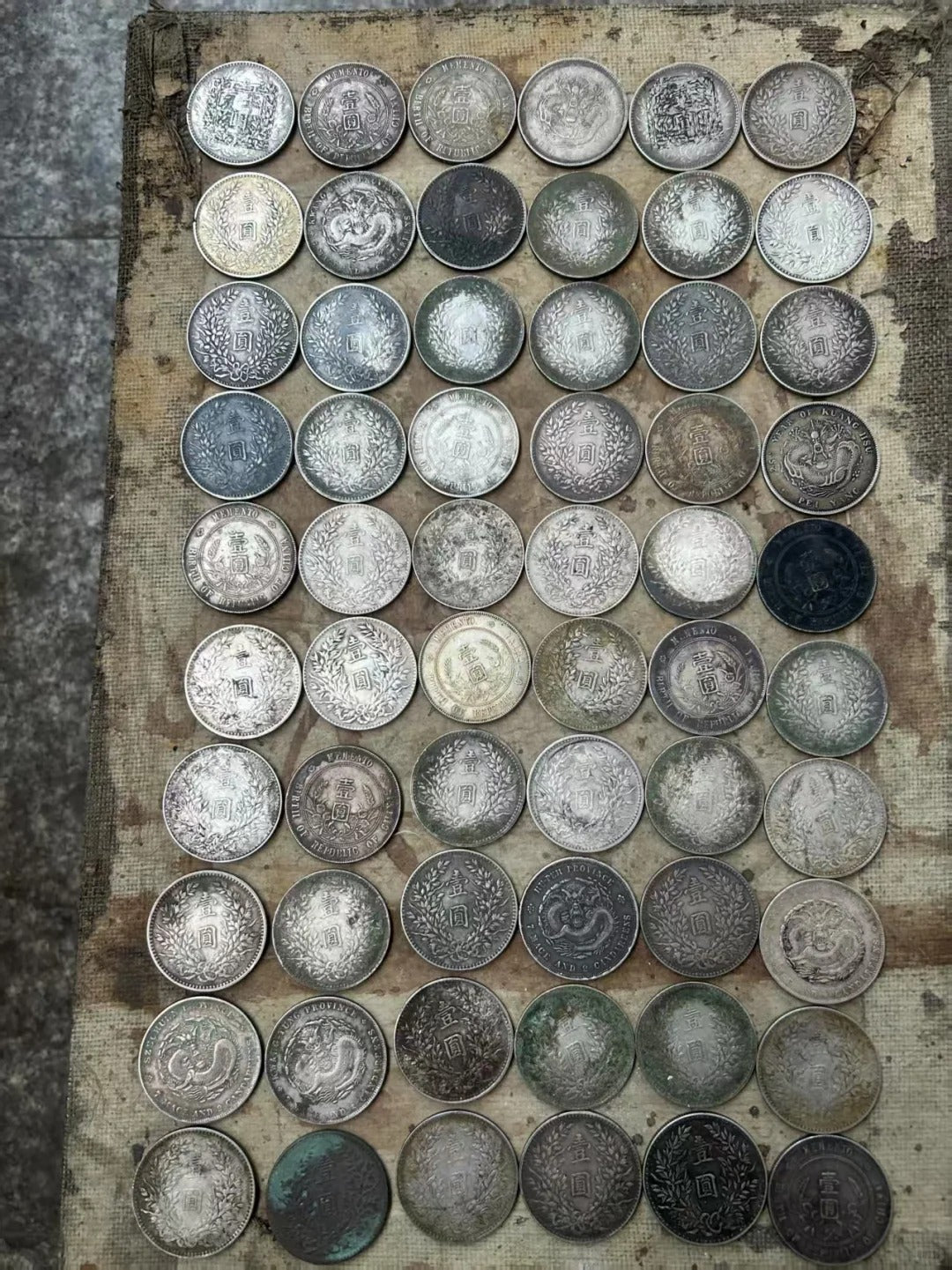
Sort the silver dollars before describing them
A group image can preserve the original arrangement, but every coin still needs an identifier. Keep dates or family accounts in background notes while the object description stays with visible evidence.
- Identification: year, denomination, face wording and principal design
- Condition: patina, wear, knocks and possible cleaning traces
- Photographs: complete faces, raking light and located damage
Maintain a fixed direction for both faces and the circumference. Any detail unsupported by the images remains open, and restrictions on opening or handling should be explicit.
Cite the basis for issue information
A grading holder contributes a label and grade, but the enclosed type, year, proposed variety and surface still deserve comparison. Explain any effect of direct contact before handling.
Transcribe inscriptions and designs before interpreting weight or diameter. Check the list once more after the coin family has been established.
Identify and date any reference used for historical or production context. Old labels, oral accounts and online photographs remain research leads.
Establish the type before arranging condition details
Begin with a working name, legible legends, principal designs, dimensions, enclosure and surface. Mark every obscured field for later review.
Number similar coins before sorting by year, denomination and motif. Their faces, edge, weight and diameter must remain together.
Preserve the native measurements
Coins sharing a familiar name may differ in date, denomination or mint feature. Separate them before comparing condition or a finer attribution.
Photograph the entire edge in overlapping sections, leaving joints, altered rims, holes, solder and former jewellery work untouched.
Keep overall views, details, dimensions, packaging and documents under the same number. Later information can then be added without drifting to another coin.
Make a later review traceable
Assess toning first, then record high-point wear, softness from striking, wipe marks and unusually bright treated patches. Keep the metal uncleaned for photography.
Original images can locate damage, while metal, fine repair and areas covered by plastic may still require direct examination.
A reliable silver-dollar sequence
First confirm visible year, denomination, both face designs and legends. Then attach weight, diameter, tool and unit, keeping unresolved names outside the conclusion.
Add complete neutral photographs and raking-light details, followed by the edge sequence. Every close-up should have a known position.
Transcribe sleeves, certificates and oral descriptions independently. When an attachment conflicts with the coin, preserve both versions and dates.
Before consultation, reconcile the physical count, packaging and all unidentified fields. Any fee, test or handover condition belongs after the object is actually seen.
A final four-part check—whole coin, detail, measurement and enclosure—should expose any missing angle without requiring an alteration to the silver dollar.
