
 WhatsApp item photos
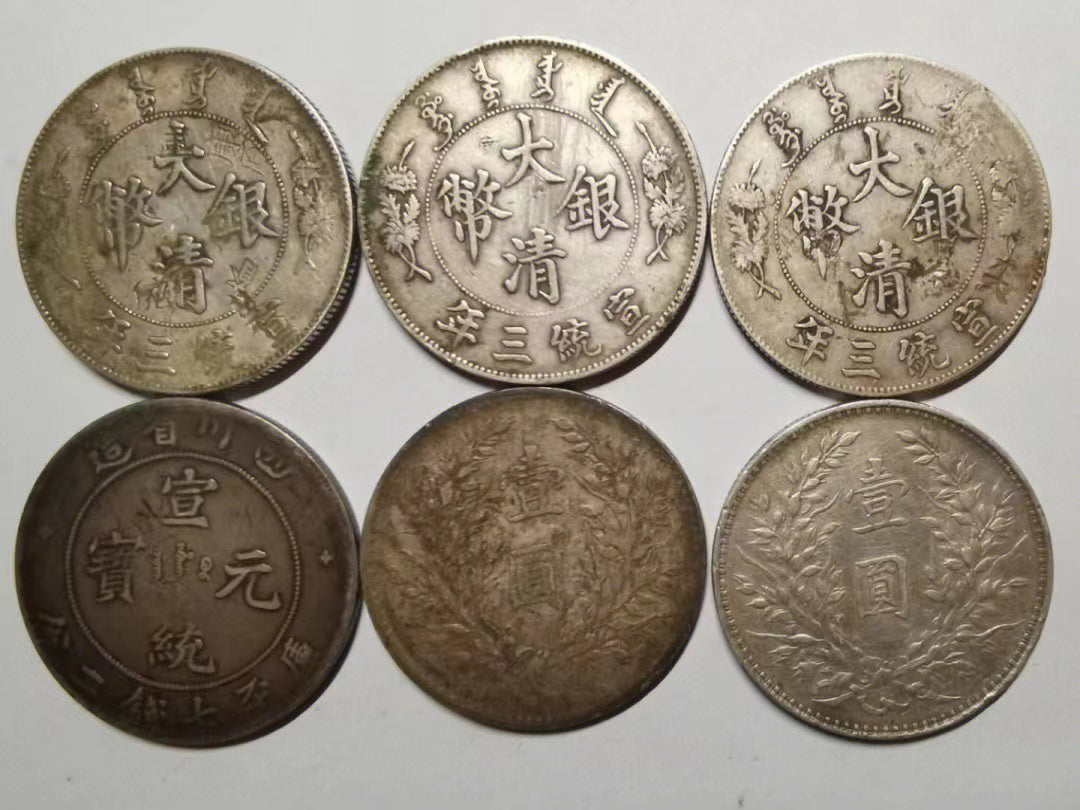
Sort mixed silver dollars by their principal designs
Yuan portraits, Sun portraits, dragons and junks belong to different design systems. Transcribe each visible year, denomination, face wording and main motif before dividing the group into those families and an unresolved section.
Give every coin the same basic evidence set: complete faces, a full circumference, original weight and diameter, tools and units. Put wreath, dragon, junk or portrait details only with the corresponding design.
Photograph sleeves, slabs and old labels separately. Complete the individual numbering and design groups before comparing varieties or condition within a coin family.
Write down what the metal actually shows
Start each description with legible inscriptions, principal motif, available dimensions, packaging and present surface. Mark an unclear field for direct comparison rather than filling it from memory.
Keep the whole rim in the first photographs, then add located details of lettering, inner border, applied marks and edge. Preserve the original readings beside any converted figure.
A market name is not an identification
Photograph the circumference in overlapping sections and preserve joins, altered rims, piercings, solder or former jewellery work. Never polish an edge to expose detail.
A grading label supplies its attribution and grade, not confirmation of the enclosed date, variety or surface. State which view remains hidden by the holder.
Date and identify any reference used for issue or production context. An old envelope, oral account or web image may suggest a question but cannot answer it alone.
Keep one identifier across every evidence type
Number the coins before sorting by year, denomination and design. The same two faces, circumference, weight and diameter must stay together.
Coins sharing a popular name may differ in date, denomination or mint feature. Establish those visible distinctions before discussing grade or value.
Attach overall photographs, details, measurements, packaging and documents to the individual coin. Describe any obstruction rather than borrowing another piece's view.
Let the missing view set the next step
Read both faces and the principal design before interpreting dimensions. A context-free number cannot distinguish one silver-dollar family from another.
Photography can locate broad wear and obvious damage, although metal, fine repair and areas behind plastic may still require direct inspection.
A concise method for a mixed group
First align the visible year, denomination, wording and principal motif. Then add the original measurements and edge sequence without collapsing portrait, dragon and junk issues into one description.
Use neutral and low-angle light to separate toning, wear, weak strike, wiping lines and altered surfaces. Keep the coin uncleaned throughout.
Transcribe contradictory labels alongside the coin evidence and date the comparison. A disagreement can be useful when neither version is erased.
Reject any detail photograph that cannot be located on a complete face or edge. This prevents similar pieces in the same tray from exchanging evidence.
For appraisal, submit the group already numbered and sorted by visible design. The remaining questions will then be specific enough for a specialist to resolve.