
 WhatsApp item photos
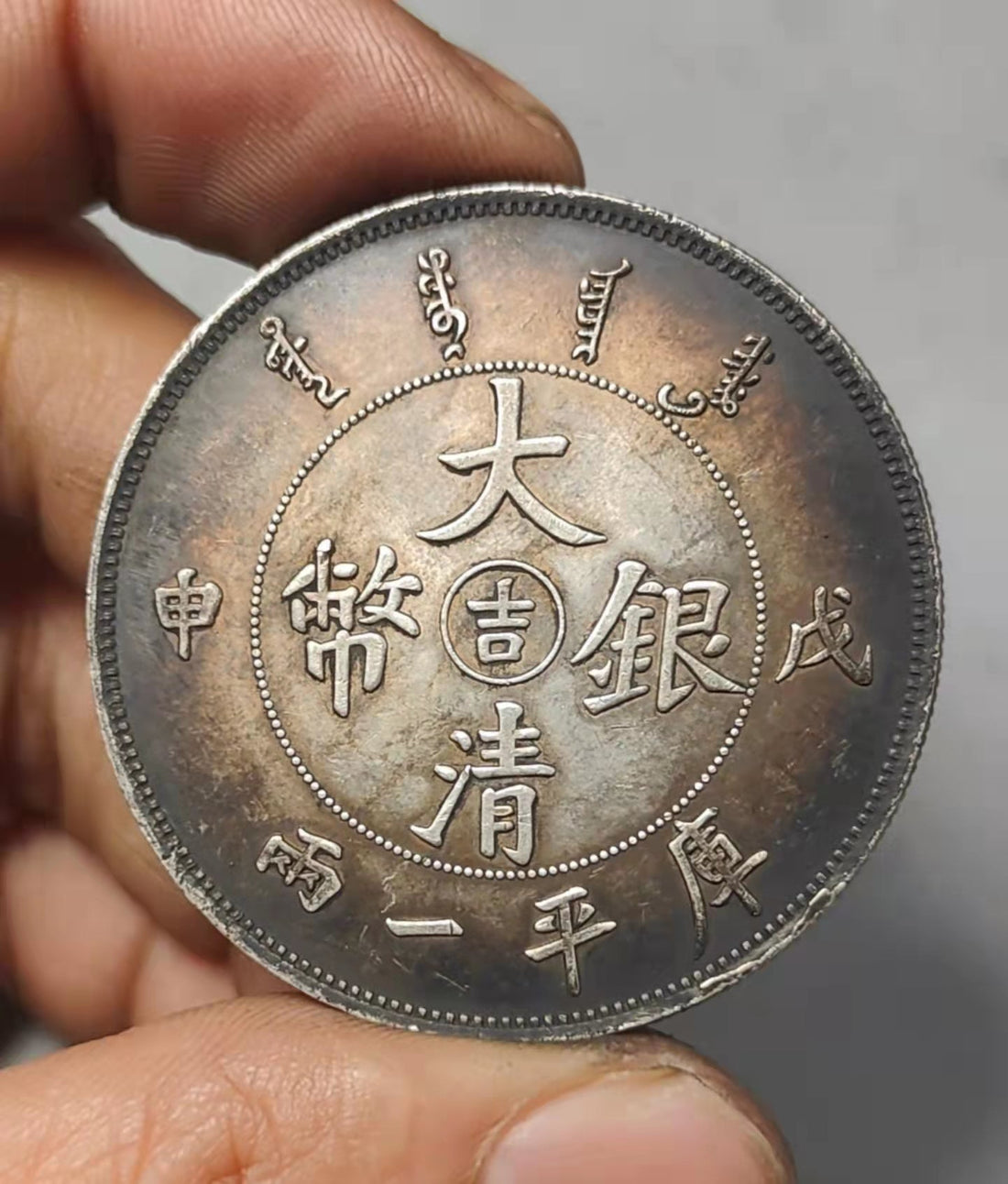
Set the Great Qing Silver Coin review order
Place complete faces, low-angle photographs and located damage in imaging, then transcribe the dragon, pearl circle, inner denticles and English wording in identification. Both groups carry the coin number.
Add the continuous edge, weight, diameter, instrument and units without overwriting native readings with a conversion or inferred specification.
Circle any position that cannot be seen safely and date the review. Explain a blank instead of guessing the variety or result.
Take the whole coin before a surface detail
Photograph overlapping edge sections and preserve joins, filing, holes, solder and old mounting work. An inaccessible area stays open.
A grading label and score can be transcribed, while the enclosed mint or issue wording, denomination, dragon and surface are reviewed independently.
Keep full images, details, measurements, wrapper and documents under the object number. State every restriction caused by plastic.
Leave the type open until inscriptions support it
Transcribe the mint or issuing wording, date text, denomination and both face legends before comparing weight and diameter within that visible type.
Distinguish patina, worn relief, strike softness, cleaning lines and altered brightness. Dark tone on a Great Qing Silver Coin does not call for polishing.
Cite historical or production claims with an identifiable source and consultation date. Old labels and online images remain search aids.
Give every dragon dollar its own page
Enter a working name, readable inscriptions, designs, dimensions, enclosure and condition. Mark anything covered by a holder as pending.
Coins sharing a collector name can differ in mint, date, denomination or dragon. Secure each coin's text before detailed grouping.
Review the file for unsupported shortcuts
Countermarks, sleeves and provenance notes may be stored, but they cannot substitute for legends, dragon, pearl circle, metal surface or edge.
Images assist with classification and visible damage; metal composition, fine repairs and concealed regions may still need examination in hand.
A surface-led Great Qing Silver Coin checklist
First connect whole and raking-light photographs with the mint or issue wording, date, denomination and legends so no detail migrates to another dollar.
Give each coin a separate number in a group. Record its circumference, readings and visible alterations individually; the batch frame states only count and arrangement.
Every measurement includes its instrument and native unit, and every close-up remains locatable on a complete face. Leave the conclusion blank when either link is missing.
Before opening, contact or testing, define what the hidden area is expected to resolve. Preserve the enclosure and metal until that scope is agreed.
For consultation, carry the Great Qing Silver Coin with its original package and files, highlighting the exact surface or edge question.