
 WhatsApp item photos
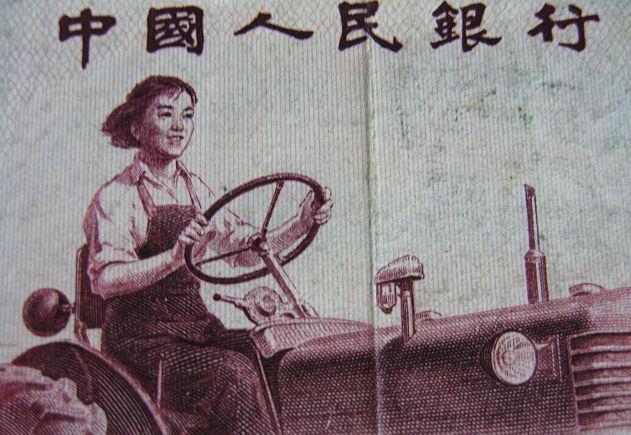
Begin with the complete Steelworker one-yuan note
Photograph the front and back with all four corners and every edge visible. Transcribe the series, one-yuan denomination, visible date wording and principal design before consulting an album caption.
Keep the prefix and serial number exactly as seen, preserving letters, digits and spacing. If glare, a fold or low resolution hides a character, mark the gap rather than guessing.
Add a scale and colour reference outside the note when dimensions or colour need comparison. Do not crop the margins to make the paper appear more even.
Use transmitted light conservatively
A transmitted-light image can show paper thickness, repairs and any watermark that is genuinely visible. It should not be used to declare an expected watermark that the photograph does not reveal.
Support the note flat on a clean surface and avoid prolonged strong light. Photograph front, back and transmitted views in a consistent orientation so a feature can be located safely.
Describe paper condition without flattening it
Separate folds, creases, edge splits, pinholes, stains, thinning, washing signs, pressing and added material. State the location and extent rather than hiding damage behind a general grade.
Use low-angle light for surface waviness and retouching, but retain a neutral overall view for colour. A sleeve reflection should not become a stain in the description.
Keep every damage enlargement beside an uncropped face so its scale and position remain clear. A corner or margin should never disappear through cosmetic cropping.
Keep album notes outside the note's identification
Old envelopes, collection annotations and family accounts may preserve provenance. They cannot replace the visible denomination, date wording, design, prefix or serial number.
If a grading holder is present, transcribe its attribution and number separately. Record any corner, edge or paper area that the enclosure prevents you from seeing.
Date any later correction to the serial transcription or paper description. Retain the earlier view so another reader can understand why the interpretation changed.
Give each note an independent identity
When several Steelworker one-yuan notes are present, number them before photography. The same front, back, serial details, transmitted-light view and condition notes must stay together.
Do not clean, wash, press, tape or erase the note before assessment. Such treatment changes the evidence needed to understand its present condition.
Build a reliable Third Series enquiry
Start by matching the complete faces to the one-yuan denomination, visible date wording and Steelworker design. Then add exact prefix and serial transcription where legible.
Photograph corners, edges, folds and any suspected repair at a scale that shows location. Retain the uncropped view beside every enlargement.
Use transmitted light only long enough to capture what is present. Describe an uncertain watermark as unconfirmed, and keep paper treatment separate from design identification.
If dimensions or colour differ from an earlier note, preserve the original reading and repeat under the same conditions. Never substitute the characteristics of a similar example.
For appraisal, provide the note inside its current protective sleeve if removal is unsafe, and state what the enclosure hides. That is preferable to causing a new crease for a complete image.