
 WhatsApp item photos
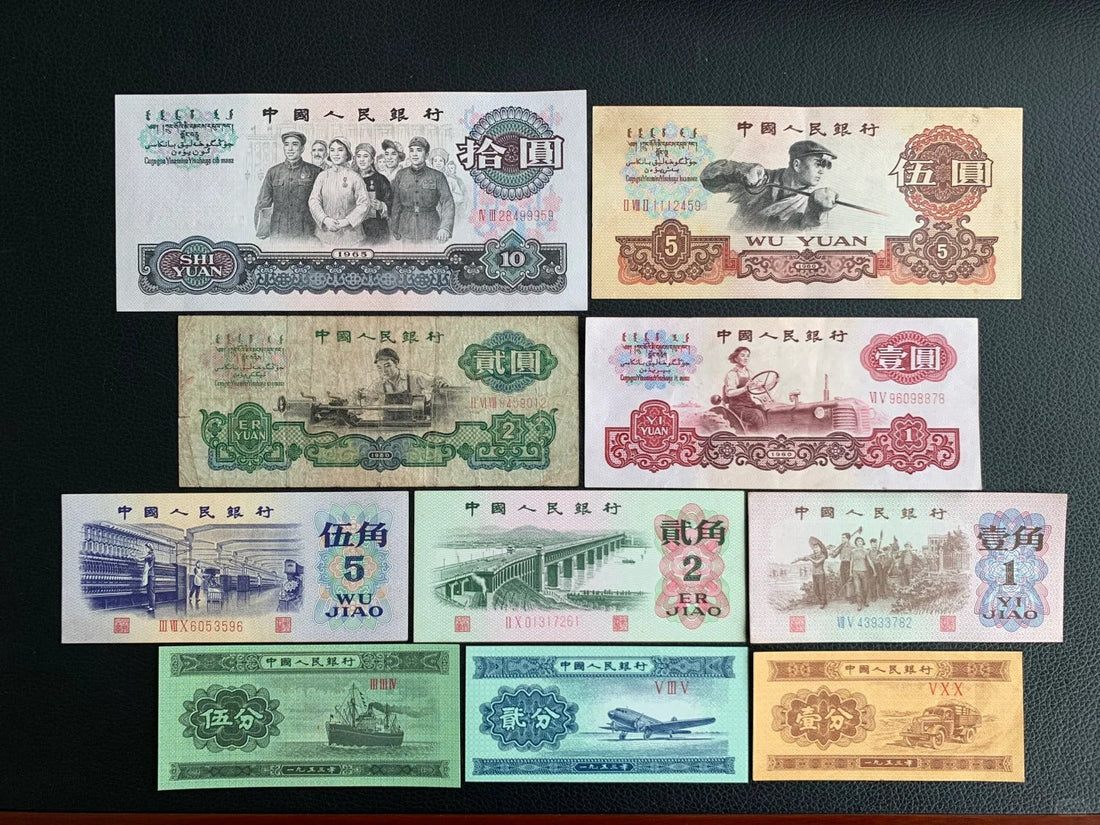
Return from labels to the Third Series note
Begin with complete front and back views, all four corners and edges. Keep visible evidence, enclosure material and written or oral accounts separate, preserving both where they disagree.
Under the note's identifier, locate folds, tears, stains and mould. Leave any area that cannot be viewed safely open so another person can repeat the same sequence.
Match sleeves, album leaves, seals and original order to the same note. Check the measuring instrument and unit, and stop any action that cannot be repeated without changing the paper.
Reference issue information
Separate ration coupons, foreign currency, commemorative notes and uncut Renminbi into their own groups. Different paper families should not supply missing context for this Third Series note.
Water exposure, flattening, hole repair, trimming, recolouring and replaced corners may leave distinct traces. Raking light can reveal paper relief that frontal light misses.
For issue, printing or historical details, give the reference consulted and the date of that check. Old labels, oral accounts and online images are research leads rather than conclusions.
Establish the proposed variety from the note
Note the working name, visible wording, design, dimensions, present enclosure and condition of the red One Jiao or green-back watermark candidate. Anything unclear stays open.
An old sleeve, album leaf or annotation can appear beside the banknote, but no pen mark, stamp or fresh adhesive label should touch its paper.
Preserve every first image and reading
Use even backlighting without filters. A light source placed too close or an overexposed area can hide fibres and the outline that needs comparison.
Keep mould, adhesion, tears and old tape in their present state, away from unaffected paper. Brushing, ironing or wiping with moisture may change the evidence.
Apply one identifier to full views, close details, dimensions, enclosure and documents so later additions cannot cross to another note.
Make another review traceable
Interpret a special prefix or serial within the correct variety. The appearance of a number should not replace examination of paper, ink, corners or repair evidence.
Images can establish broad grouping and obvious damage, but paper, subtle repair and areas concealed by a mount may still require direct inspection.
Where Red One Jiao and Green-Back Claims Need Different Evidence
Start with complete faces, four corners and edges, then add dimensions with the named tool and unit. Do not turn a variety name unsupported by the photographs into a finding.
Next retain the sleeve, album leaf, seal and original order before transcribing the series, denomination, visible year wording and main design. State each obstruction plainly.
Keep present observations apart from old labels, certificates and recollections. Date both accounts if they differ and do not let either overwrite the other.
Before handover, confirm the note count, attachments, enclosure and unresolved points. Describe any proposed inspection only after the paper can be handled safely.
Finish by checking the date, unit and image direction across complete and backlit views. Preserve two versions when earlier and later observations conflict.