
Anchor the grain wreath to one Yuan Shikai dollar
Take uncropped, level photographs of the dated portrait side and grain-wreath reverse. Copy the date, denomination and surrounding wording exactly before comparing a subtype.
Evidence available from the complete coin
Record the portrait, hair, epaulettes, date characters, grain leaves, ribbon, denomination and denticles with their locations on the two full faces.
Evidence still requiring a clear view
Mark weak characters, covered rim sections and ambiguous reverse details as unresolved. Do not complete them from a similar Yuan Shikai dollar or a holder label.
Build an ordered edge record
Start at a fixed landmark and photograph overlapping frames around the circumference. Keep the direction consistent so changes in reeding or a worked section remain locatable.
Note seams, knocks, clipping, filing, holes, solder and former mounting by clock position. Avoid rubbing the edge to create brighter contrast.
Make measurements repeatable
Show the scale zero, reading, unit and decimal places. Record diameter and thickness with the tool and contact points, ensuring the same item number appears in every frame.
If a measurement changes, repeat the original setup and retain both dated values. A catalogue figure cannot replace an observation from the subject coin.
Dimensions can support a coin type grounded in visible date and design. They cannot establish an unreadable year or specialised variety by themselves.
Keep surface condition in a separate map
Describe toning colour, high-point wear, strike softness, scratches, wiping hairlines and cleaning-related brightness independently.
Locate chops, perforations, rim bruises and repaired areas on a full view before taking raking-light details. Condition evidence should never be used as a shortcut to identity.
Use labels and comparisons carefully
Transcribe paper sleeves, grading inserts and family notes as background with their numbers and dates. Verify the enclosed date, denomination and wreath directly.
A published comparison may identify a leaf, ribbon or character position worth checking. It must not contribute another coin's measurements, colour or damage.
Retain neutral-light photographs before any exposure adjustment, and never polish a dark reverse merely to increase the wreath contrast.
Resolve wreath details against the same coin's edge and readings
Check that both faces, each grain-wreath detail, the edge circuit, readings and holder return to a single reference number. Fill any missing edge frame before proposing a variety.
Separate confirmed inscriptions, proposed variety and condition observations. The next reviewer should be able to repeat each claimed diagnostic point.
State what remains blocked by packaging and whether direct examination would change the conclusion. Preserve a stable enclosure until that need is clear.
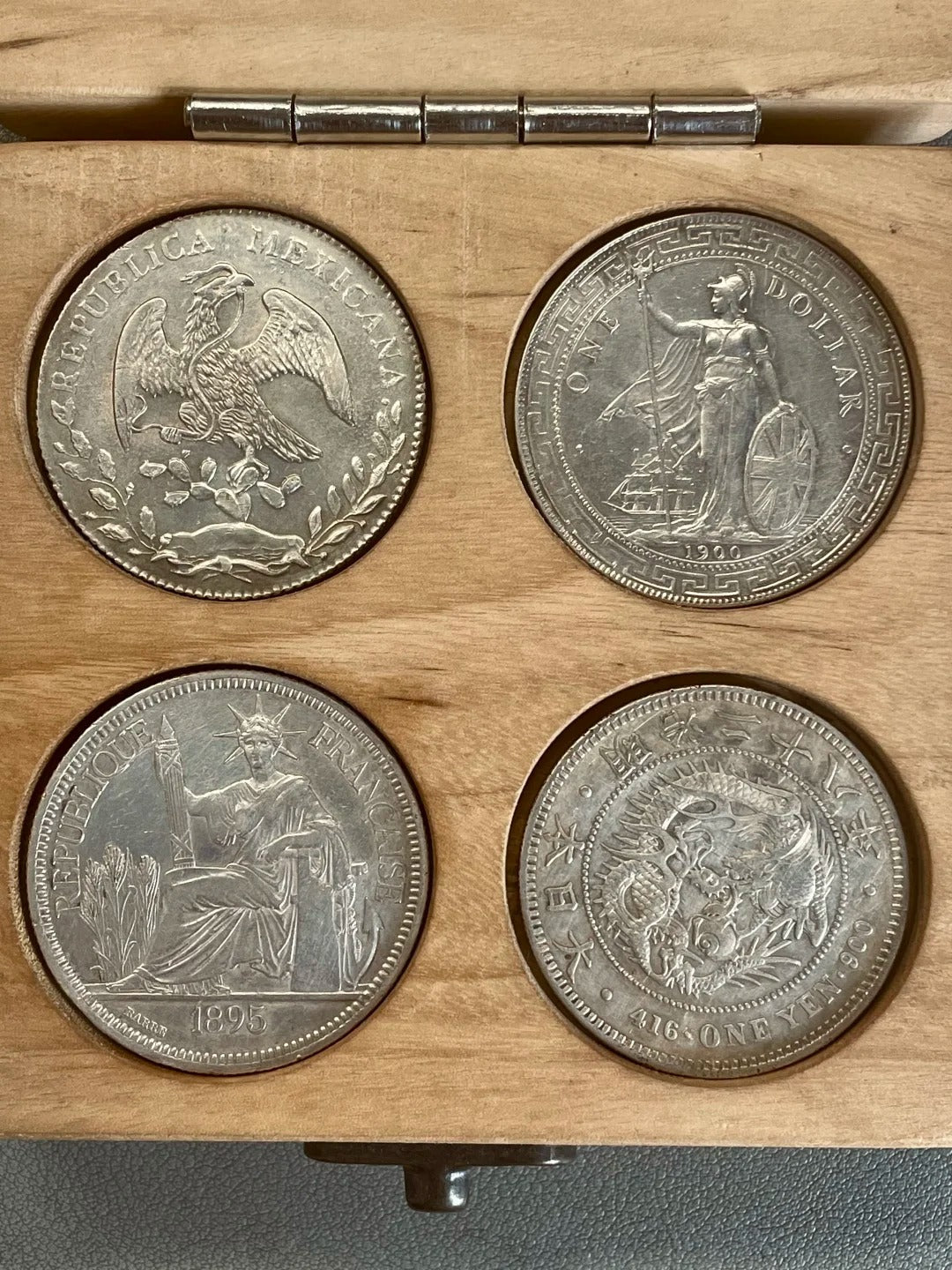
For a batch, number every coin before sorting by year or reverse. A tray image can show quantity but cannot supply individual wreath or edge evidence.
At handover, leave patina, envelopes and labels intact. No chemical, scratch test or edge filing is necessary for a reliable comparison.
