
 WhatsApp item photos
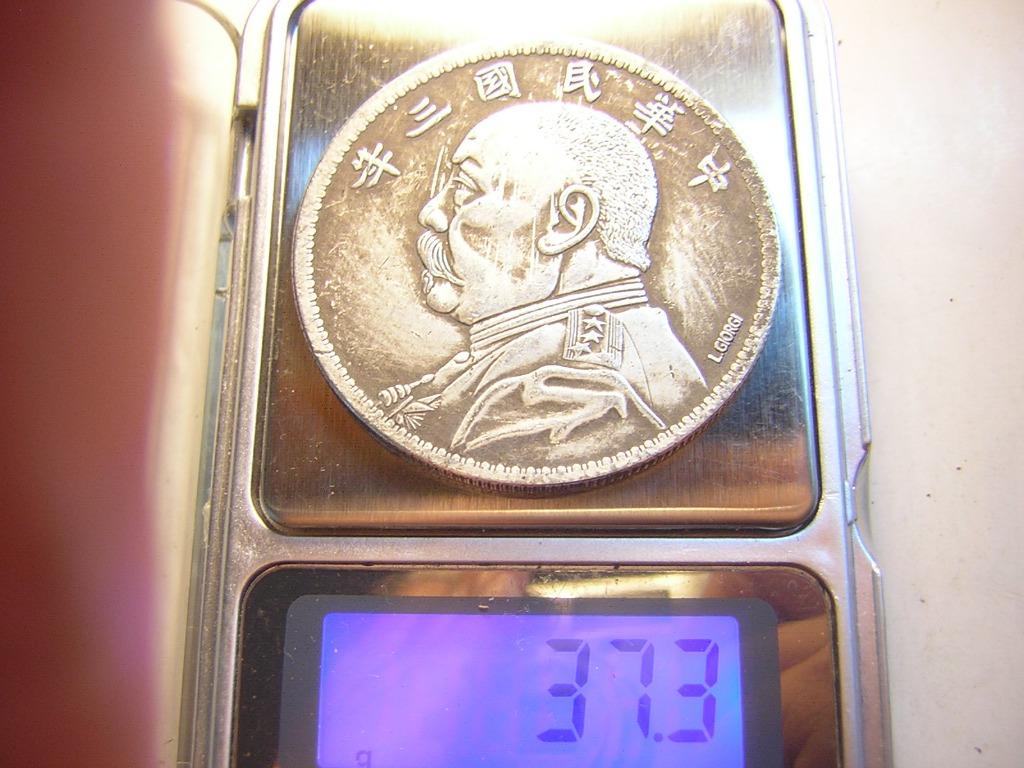
Separate the coins before studying Yuan Shikai dollar varieties
If a group contains several Yuan Shikai dollars or proposed varieties, assign a number to each coin and preserve its existing name as background. Establish a consistent orientation from the two faces and edge before arranging the evidence.
- Attribution: Yuan Shikai's hair, epaulette, lettering and inner denticles
- Condition: patina, circulation wear, knocks and signs of cleaning
- Images: complete faces, raking-light views and located damage details
Use the item number in every image filename and list missing evidence during review. Do not turn a point unsupported by the photographs into a conclusion; note any restriction on handling or opening the enclosure.
Build a useful description of each coin
Record the proposed type, visible wording and designs, dimensions or weight, present enclosure and surface condition. Mark a feature that cannot be seen as unresolved, especially when it bears on a named variety.
For a group of portrait dollars, sort first by date and visible variety features. Keep each portrait face, grain-wreath face, edge sequence, weight and diameter attached to the individual coin rather than to the group.
Connect complete views, details and measurements
Names such as signed, O variety, triangular-round or local issue belong in the description only when the corresponding feature can be located on the coin. Preserve complete photographs before drawing conclusions from a small detail.
Photograph the circumference in overlapping sections. Leave seams, altered-edge areas, holes, solder and former jewellery traces untouched, and connect every edge view to its coin number.
The complete faces, close-ups, measurements, enclosure and documents must share that number. List obscured areas so evidence added later is not attached to the wrong coin.
Keep source material separate from direct observation
A holder label contributes a proposed attribution and grade. Compare its date, portrait, wreath and condition description with the enclosed coin. Record any disagreement without opening the holder.
Transcribe the date, denomination and wording on the portrait and grain-wreath sides before cross-checking a proposed variety. Interpret weight and diameter only against the correct coin specification.
Give a named source and consultation date for statements about issue, production or history. Old labels, oral accounts and online photographs are research leads, not replacements for missing features.
Preserve the surface before refining the attribution
Distinguish stable toning, high-point loss, strike softness, fine wipe marks and colour that may indicate chemical treatment. A dark surface does not by itself call for cleaning.
Photographs may support attribution and visible damage, while metal, subtle repairs and areas hidden by packaging may require direct examination. State that limit under the correct item number.
Focus the final check on the Yuan Shikai dollar
Begin with the portrait hair, epaulette, lettering and denticles, then document the full edge, weight, diameter, tool and unit. Both groups of evidence must identify the same coin before a variety conclusion is made.
After the first review, confirm that complete faces, raking-light views, damage details, date, denomination and all wording remain connected. Keep dates on converted measurements, oral accounts and later additions, and check that every attachment carries the coin number.
Images can support inscriptions, design, proportions and conspicuous damage, but may not establish metal, a concealed crack or minute later work. Preserve that limitation with the coin instead of resolving it from a similar example.
Keep the silver coin as found: do not wash, polish, scrape-test or file its edge. Do not open an original box, sealed package or grading holder before the need and possible effect have been explained.
For an enquiry, supply the date, denomination, portrait lettering, complete edge and measurements together. Leave any missing feature open rather than assigning a variety by guesswork.