古金鑒寶
a 1908 Japanese Dragon Silver Coin Buyback | Gu Jin Jian Bao
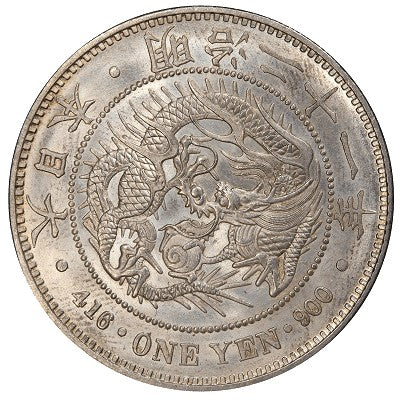
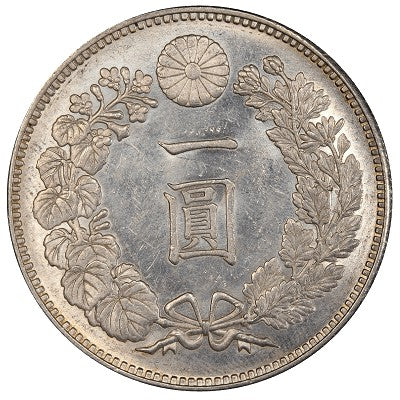
The Meiji 21st Year (1888) 1 Yen Silver Coin, also known as the "Japanese Dragon Silver," is one of the important currencies of Japan's Meiji period, issued in 1888 (Meiji 21st Year). The obverse features a coiled dragon, symbolizing strength and authority, with the words "Great Japan" inscribed on the outer ring, indicating the coin's country of origin, and the year "Meiji 21st Year" (1888), indicating its issuance year. The reverse features the denomination "One Yen" in the center, surrounded by decorative cherry blossom wreaths and chrysanthemum emblems. The chrysanthemum is a symbol of the Japanese Imperial Family, representing the official nature of the silver coin.
Meiji 21st Year 1 Yen Japanese Dragon Silver: Specifications and Authentic Data Analysis
For collectors, understanding the weight and dimensions of a Japanese Dragon Silver 1 Yen coin is the first step into collecting old silver coins. The Meiji 21st Year (1888) 1 Yen Dragon Silver coin adheres to strict national standards in its minting process. Below are the detailed physical specifications for this edition, which serve as an important reference for our initial assessment when purchasing ancient coins at high prices:
| Specification Item | Detailed Data and Description |
| Standard Weight | 26.96 grams (approximately 7.2 qian of Kuping tael) |
| Coin Diameter | Approximately 38.1 mm |
| Coin Thickness | Approximately 2.5 mm |
| Metal Composition | 90% Silver, 10% Copper (i.e., .900 fine silver) |
| Edge Milling Feature | Reeded edge (neatly crafted, even spacing without misalignment) |
| Issuing Authority | Japan Mint (Osaka) |
How to Authenticate Japanese Dragon Silver: Three Core Appraisal Techniques
As the price of the Meiji 21st Year Dragon Silver continues to rise in the antique market, many counterfeits have appeared. To protect your interests, the professional appraisal team at [Gu Jin Jian Bao] shares the following practical methods for distinguishing authentic Japanese Dragon Silver from fakes:
- Precise Measurement of Weight and Dimensions: The most direct manifestation of an authentic Dragon Silver coin's characteristics is its weight. After centuries of circulation, genuine coins typically weigh between 26.7 and 26.96 grams. If the weight deviation is too large (e.g., below 26.5 or above 27.5 grams), or if the thickness is significantly inconsistent, it should be highly suspected as a modern sand-cast or poured counterfeit.
- Observe Dragon Scales and Font Details: Use a magnifying glass to examine the dragon pattern on the obverse. Authentic coins, produced by high-pressure steel dies, feature a majestic dragon head and distinct, multi-layered scales. The characters for "Great Japan" and "Meiji 21st Year" have sharp edges without adhesions. Counterfeits typically have blurry, flat dragon scales and slightly bloated or overflowing metal edges on the characters.
- Sound Test and Edge Examination: Gently tap an authentic silver coin, and it will produce a clear, prolonged, and gentle pure silver resonance sound. If the sound is dull or extremely harsh, it may contain lead, zinc, or other cheap metals. Furthermore, the reeded edge of an authentic coin undergoes fine chamfering, making it smooth to the touch and not scratchy.
Key Factors Affecting the Acquisition Price of Meiji 21st Year Dragon Silver
Many customers often ask, "How much is my old silver coin worth now?" In fact, the market value of Dragon Silver, in addition to being affected by fluctuations in international silver prices, depends more on the coin's "condition."
- Original Mint Luster: If the coin's surface still retains its original cartwheel luster from the mint and has not been excessively worn, its value in the high-price acquisition market for old coins will increase exponentially.
- Patina: The natural oxidation patina that forms over time (such as the common rainbow or circular toning) is a mark of age and can significantly increase the willingness of experienced collectors to purchase. Important: Never use silver polish cloths or chemical agents to clean old silver coins, as damaging the original patina (commonly known as "cleaning coins") will severely diminish their market value.
- International Grading Certification (PCGS / NGC): If your coin has been authenticated and encapsulated by an authoritative international organization (i.e., a graded Dragon Silver coin), and has received a high grade such as MS (Mint State, uncirculated), its premium and liquidity in the auction market will be extremely significant.
If you have an old Meiji silver coin passed down from an elder but are unsure of its actual value, please contact us for a professional in-person appraisal to ensure your collection reflects the true market value.
Similar Featured Buyback Series Recommendations
You might also be interested in: Similar Popular Bought back Products
- [Gu Jin Jian Bao] Buyback Japanese Silver Coins - Meiji 8th Year (1875) 1 Yen Silver Coin
- [Gu Jin Jian Bao] Buyback Meiji 3rd Year (1870) Sun Japanese Dragon Silver
- [Gu Jin Jian Bao] Buyback Japanese Meiji 3rd Year 1 Yen Silver Coin (1870)
Have silver dollars and want to know their market value? WhatsApp 98342057 with clear photos of the front and back, and a master appraiser from Gu Jin Jian Baowill provide a preliminary quote on the same day. See more Bought back collectibles atAll Series.

Frequently Asked Questions (FAQ)
Recycling process
-
1) Clients should first provide basic information about their collections via WhatsApp (852) 98342057. You can also contact us directly via this link.
-
2) We will provide a preliminary quote after receiving your information.
-
3) Both parties agree on a time and place (on-site inspection is available) to inspect the collection. We will provide a precise quote based on the actual condition of the collection.
-
4) Confirm the sale and make payment in various forms such as bank transfer or cash.
Antique gold appraisal and treasure buying with cash on-site service:
-
Guangxu Yuanbao Buyback | Gu Jin Jian Bao
Guangxu Yuanbao Silver Coin Buyback: Varieties and Collection Value of Late Qing...
-
Guangxu Yuanbao Buyback | Gu Jin Jian Bao
Guangxu Yuanbao Silver Coin Buyback: Varieties and Collection Value of Late Qing...
-
Xuantong Yuanbao Buyback | Gu Jin Jian Bao
Xuantong Yuanbao Collection: Collecting and Appraising Silver Coins from Late Qing Dynasty...
-
Yuan Shikai silver dollars Buyback | Gu Jin Jian Bao
Yuan Datou (Fat Man Yuan) Silver Dollars: The Most Recognizable Investment in...
-
Sun Xiaotou Buyback | Gu Jin Jian Bao
Sun Yat-sen "Small Head" Silver Dollars: Authentication of Founding Commemorative Coins and...
-
Japanese silver coins buyback | Gu Jin Jian Bao
Buyback Japanese Silver Coins: Appraisal and Purchase of Meiji Dragon and Trade...
-
first edition of Renminbi Buyback | Gu Jin Jian Bao
First Series Renminbi Buyback: The Collection Value of the 1948 Founding Currency...
-
Second edition Renminbi banknotes buyback. | Gu Jin Jian Bao
Second Series Renminbi (RMB) Collection: Market Value of Precious Notes Printed by...
-
third edition of Renminbi Buyback | Gu Jin Jian Bao
Third Series Renminbi Collection: The Classic "Green Back with Watermark 1 Jiao"...
-
Gold Buyback | Gu Jin Jian Bao
Gold Buyback: Instant Quotes for Gold Bars, Gold Coins, and Gold Jewelry...
-
Bought back porcelain Buyback | Gu Jin Jian Bao
Porcelain Collection: Appraisal and Acquisition of Wares from the Song Dynasty to...
-
Stamp Buyback | Gu Jin Jian Bao
Stamp Collection: Cultural Revolution Stamps, Monkey Stamps, and Rare Stamp Market Trends...