
Collectible appraisal
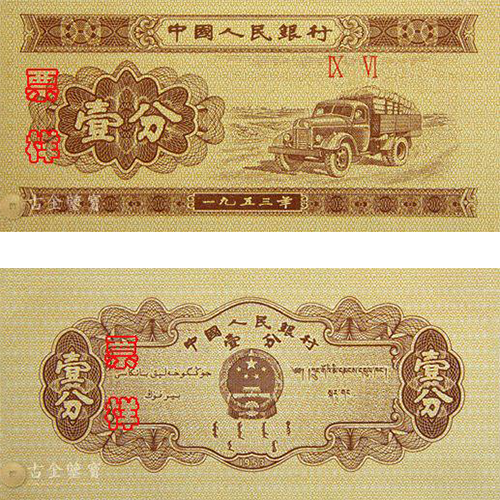
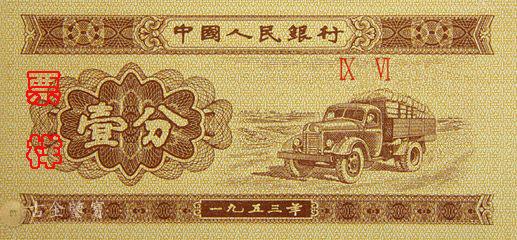
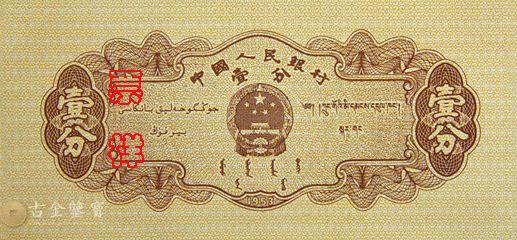
1953 Second Series Renminbi 1 Fen
Start with photos so we can assess type, condition and market direction. Higher-value or uncertain items can then be checked in person.
WhatsApp photos for appraisal Front, back and edge photos are usually reviewed firstFree photo review Phone 852 98342057


Collectible appraisal
1953 Second Series Renminbi 1 Fen
Start with photos so we can assess type, condition and market direction. Higher-value or uncertain items can then be checked in person.
1953 Second Series Renminbi 1 Fen
Photograph the front, back, side or edge, plus any close-up details. Include dimensions, the measured weight, certificates or original packaging where relevant.
This 1953 Second Series Renminbi 1 Fen note is identified at series, year and denomination level. Begin with uncropped views of both printed faces, because the small value alone cannot establish a finer design or paper type. Numbering,...
Item details and appraisal notes
This 1953 Second Series Renminbi 1 Fen note is identified at series, year and denomination level. Begin with uncropped views of both printed faces, because the small value alone cannot establish a finer design or paper type. Numbering, edges and present condition should be documented only as they appear on this banknote.
1 Fen in 1953: keep the small denomination tied to the whole note
| Evidence point | What to confirm |
|---|---|
| Series | Second Series Renminbi |
| Date | 1953 |
| Printed denomination | 1 Fen |
| Named design | Not stated; assign a narrower design only when readable features on the complete note support it. |
| Evidence boundary | A prefix, serial, watermark or paper variety belongs in the description only when it can be seen on this example. Another low-denomination note cannot fill an unclear area. |
Start wide, then move to the small print
Complete faces: Place the front and reverse square to the camera at matching scale. Keep all four corners, the full cut edge, the 1953 date and 1 Fen value inside the first image pair so a close view always has a clear location.
Number line and inscriptions: Add the value area and any prefix or serial that is actually present. Preserve character spacing and nearby paper in natural colour; if weak ink remains unreadable after a second light direction, leave that position unresolved.
Paper surface and edges: Use a full-side locator before showing a fold, pinhole, edge split, foxing, water staining, backing, pressing or repair. Raking light may reveal texture, while transmitted light is reserved for a visible watermark, thin patch or repair.
Handle a small note without hiding its condition
Support the paper on a clean, dry surface and turn it once for the reverse. Do not wash, iron, bleach, flatten or tape it. A sleeve, album leaf, holder or certificate should be photographed separately if it still accompanies the note.
Three checks before a closer attribution
Printed identity: The date and denomination must be readable on the same complete face, with the reverse and border agreeing as one physical note.
Numbering limits: Only record a prefix or serial when present. A covered digit, missing corner or rubbed character stays open rather than being reconstructed from another banknote.
Storage after photography: Return the untreated paper to an inert sleeve away from direct light, damp and pressure. Keep any old enclosure nearby only when its connection to the note is documented.
References for early Second Series notes
Browse the Second Series Renminbi and consult the Older Renminbi: First, Second and Third Series Layouts and Inspection for broader context without borrowing a design, watermark or condition conclusion.
Two different denominations to keep separate
Share the uncropped faces, cut edges and any readable number line through the About Gu Jin Jian Bao | Collection Enquiries; add one focused paper image via WhatsApp at +852 9834 2057, or call +852 9834 2057. Mention whether an album leaf, sleeve or certificate still accompanies the banknote and identify the area that remains unclear.
Questions before an appraisal
What should you check before selling?
What matters depends on the item. Photograph both sides, the edge, hallmarks or base marks, and any damage. Include the original box, certificate or weight information where relevant so we can decide whether an in-person inspection is needed.
