
Collectible appraisal
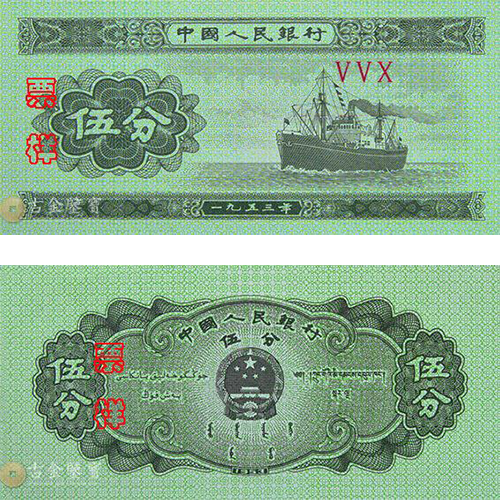
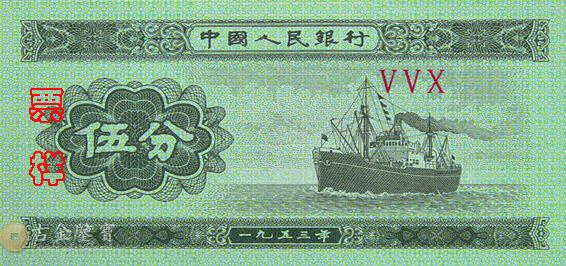
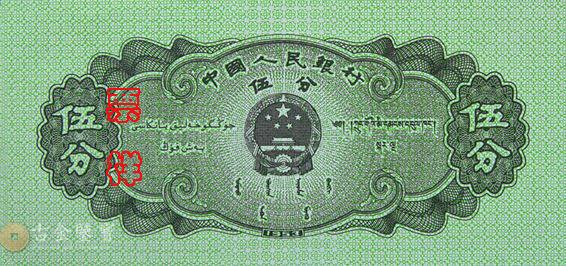
1953 Second Series Renminbi 5 Fen
Start with photos so we can assess type, condition and market direction. Higher-value or uncertain items can then be checked in person.
WhatsApp photos for appraisal Front, back and edge photos are usually reviewed firstFree photo review Phone 852 98342057


Collectible appraisal
1953 Second Series Renminbi 5 Fen
Start with photos so we can assess type, condition and market direction. Higher-value or uncertain items can then be checked in person.
1953 Second Series Renminbi 5 Fen
Photograph the front, back, side or edge, plus any close-up details. Include dimensions, the measured weight, certificates or original packaging where relevant.
With a 1953 Second Series 5 Fen note, separate the series attribution and prefix from the paper's present condition. The small denomination alone is not enough: both printed faces, paper, serial details, cut edges and corners need to...
Item details and appraisal notes
With a 1953 Second Series 5 Fen note, separate the series attribution and prefix from the paper's present condition. The small denomination alone is not enough: both printed faces, paper, serial details, cut edges and corners need to agree.
1953 Second Series 5 Fen: establish the printed identity
| Item | Evidence to check |
|---|---|
| Series | Second Series Renminbi |
| Year | 1953 |
| Denomination | 5 Fen |
| Design or format | No design nickname or uncut format is stated; confirm any narrower type from the printed note. |
| Evidence boundary | Confirm the series on the complete note, including its prefix and issue details. Note the lighting used for any close-up of an uncertain feature. |
A practical sequence for examining the 5 Fen note
First impression: Check that the 1953 date and 5 Fen value belong to this Second Series design. Keep each note separate if several examples are present; a shared name is not a substitute for matching images.
Border and numbering: Photograph both faces, every corner and the complete cut edge before moving closer to the value, inscriptions and any prefix or serial number that is present. Use transmitted light only for a feature that is genuinely visible, and mark any damage before handling the paper again.
Condition and accompanying material: Place folds, foxing, pinholes, tears, water staining, washing, pressing and backing on the correct side of the note. If an original bundle, album, holder or certificate survives, photograph it beside—not over—the banknote.
What can affect the conclusion
- Original grouping: An intact bundle, album or certificate can add context if it still survives. Show it without assuming that its label proves the variety or condition.
- Paper and printing: Paper stiffness, ink layers and cut edges may reveal wear, treatment or an obvious mismatch. Capture these details in neutral light and keep the front and back together.
- No cosmetic treatment: Lamination, pressing and taped corners can hide damage. Do not add new treatment; photograph the present difference instead.
Reading more about early Renminbi
Browse the Second Series Renminbi and the guide Older Renminbi: First, Second and Third Series Layouts and Inspection to plan the remaining photographs.
How to store the note while checking it
Use colour-accurate front-and-back views, with separate images of all four corners, prefix and any visible watermark. Keep the note flat in a dry place; do not fold, press or remove stains. A short provenance and storage note is helpful.
Two nearby Second Series denominations
To ask about the 5 Fen note, send the complete image set through About Gu Jin Jian Bao | Collection Enquiries, WhatsApp 98342057 or Phone +852 9834 2057. Photograph surviving accessories beside the note rather than covering it.
Questions before an appraisal
What should you check before selling?
What matters depends on the item. Photograph both sides, the edge, hallmarks or base marks, and any damage. Include the original box, certificate or weight information where relevant so we can decide whether an in-person inspection is needed.
