
Collectible appraisal
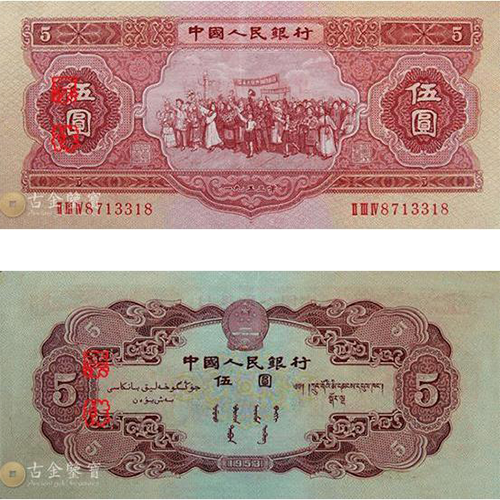
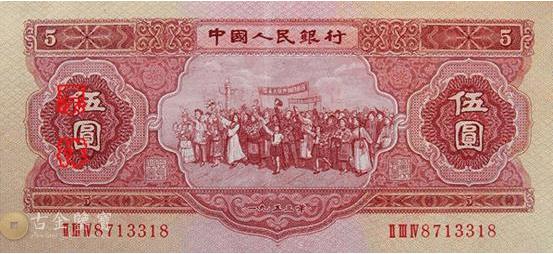
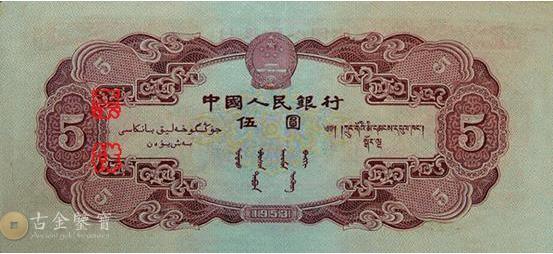
1953 Second Series Renminbi 5 Yuan
Start with photos so we can assess type, condition and market direction. Higher-value or uncertain items can then be checked in person.
WhatsApp photos for appraisal Front, back and edge photos are usually reviewed firstFree photo review Phone 852 98342057


Collectible appraisal
1953 Second Series Renminbi 5 Yuan
Start with photos so we can assess type, condition and market direction. Higher-value or uncertain items can then be checked in person.
1953 Second Series Renminbi 5 Yuan
Photograph the front, back, side or edge, plus any close-up details. Include dimensions, the measured weight, certificates or original packaging where relevant.
The 1953 Second Series Renminbi 5 Yuan identification supports the series, year and denomination but no named main design or printing-origin variety. Begin with complete front-and-reverse photographs, keeping the 5 Yuan value, date, inscriptions and border visible. Record...
Item details and appraisal notes
The 1953 Second Series Renminbi 5 Yuan identification supports the series, year and denomination but no named main design or printing-origin variety. Begin with complete front-and-reverse photographs, keeping the 5 Yuan value, date, inscriptions and border visible. Record only the prefix, serial and paper features that are present on this physical banknote.
1953 5 Yuan: document the value without inventing a variety
| Evidence point | Current support |
|---|---|
| Series | Second Series Renminbi |
| Year shown | 1953 |
| Denomination | 5 Yuan |
| Named design or origin | Not stated; establish any narrower attribution from readable evidence on the banknote and reliable issue information. |
| Attribution limit | The 1953 5 Yuan identity is supported at series, year and value level. A colour, printing origin or named variety must not be assumed. |
Build the record around what can be read
Uncropped front and reverse: Photograph the 1953 5 Yuan note under even neutral light with all corners and cut edges visible. Keep the denomination and date area inside the first frame, then pair it with the complete reverse. Do not label an unstated design from a cropped motif or another note.
Value, prefix and serial: Take a natural-colour close view of the value and surrounding inscriptions after the complete faces. Show any prefix or serial actually present with its alignment and nearby paper. A faint character should remain open if a second light angle does not resolve it.
Paper and previous treatment: Place trimmed edges, tears, folds, pinholes, foxing, water staining, backing, tape, pressing and other repairs on their respective sides. Use a full locator photograph before each detail and leave washing, flattening or old repairs untouched.
Three boundaries before a finer attribution
- Paper printing
- Compare both faces, cut edges and visible ink continuity without assigning a printing origin from the year or denomination alone.
- No new intervention
- Keep the note dry and supported. Washing, bleaching, ironing, pressing or fresh tape can hide the boundaries of earlier condition changes.
- Visible paper features
- Add transmitted light solely when a watermark, thin area or repair can actually be seen; do not turn the lighting method into a variety claim.
Preserve colour and shape after photography
Handle the banknote over a dry non-reflective surface and avoid forcing curled paper or old folds flat. Photograph any surviving album, sleeve, certificate or holder separately, then house the untreated paper in stable, dry, low-light storage inside an inert sleeve.
Two related Second Series notes
Where to place the note in series context
The Second Series Renminbi provides neighbouring denominations, while the Older Renminbi: First, Second and Third Series Layouts and Inspection offers a method for separating design, paper and condition. The physical 5 Yuan note remains the source for every final reading.
Share the full faces, denomination area and condition map through the About Gu Jin Jian Bao | Collection Enquiries; send a close detail using WhatsApp at +852 9834 2057, or telephone +852 9834 2057. State that no main design or printing-origin variety is assumed and identify any unreadable character.
Questions before an appraisal
What should you check before selling?
What matters depends on the item. Photograph both sides, the edge, hallmarks or base marks, and any damage. Include the original box, certificate or weight information where relevant so we can decide whether an in-person inspection is needed.
