

Collectible appraisal
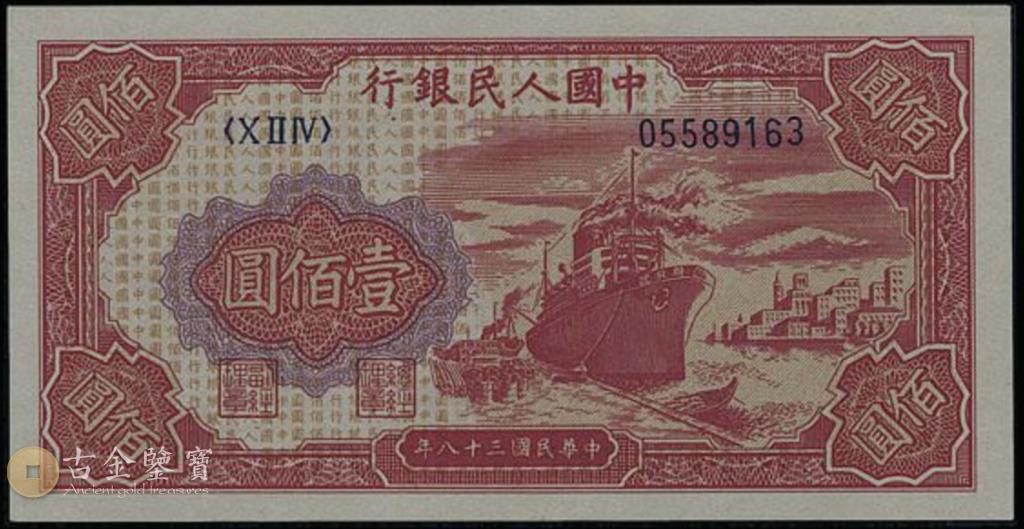
1949 100 Yuan Red Steamer
Start with photos so we can assess type, condition and market direction. Higher-value or uncertain items can then be checked in person.
1949 100 Yuan Red Steamer
Photograph the front, back, side or edge, plus any close-up details. Include dimensions, the measured weight, certificates or original packaging where relevant.
This 1949 100 Yuan banknote carries the Red Steamer subject, denomination and date. Record the whole printed face before concentrating on colour, because a saturated crop cannot show the border, paper tone or relationship between the vignette and inscriptions. The reverse, prefix, serial and all four corners should complete the first image set.
Item details and appraisal notesItem details and appraisal notes
Scroll horizontally to view the full table
This 1949 100 Yuan banknote carries the Red Steamer subject, denomination and date. Record the whole printed face before concentrating on colour, because a saturated crop cannot show the border, paper tone or relationship between the vignette and inscriptions. The reverse, prefix, serial and all four corners should complete the first image set.
Read the red vessel design in its complete setting
| Visible cue | What it establishes |
|---|---|
| Series reference | Listed with First Series Renminbi; the complete note should support that series identification. |
| Date inscription | 1949 |
| Printed amount | 100 Yuan |
| Named subject | Red Steamer |
| Colour boundary | Red is part of the stated design name, not a grade. Compare colour only in neutral, unfiltered photographs. |
Separate colour, numbering and paper condition
The entire design face: Photograph the Red Steamer vignette together with the 100 Yuan value, 1949 date and uncut border. Use the same white balance for the reverse. A close detail of the vessel is useful only after its position and surrounding ink are visible.
Prefix and serial evidence: Show every visible character in one frame and keep the nearby paper tone unchanged. If glare or wear hides a digit, alter the direction of the light rather than altering the image file. State clearly when the number cannot be completed.
Condition under controlled light: Use a full view to locate folds, foxing, water staining, pinholes, edge tears, pressing, backing or repairs. Low raking light can clarify surface disturbance, while neutral light preserves the printed red and natural ageing. Do not merge these observations into a colour grade.
Paper and handling questions
- Visible paper features: Inspect both faces and cut edges for texture, thinning or repair. Add transmitted light only when a watermark or another paper feature can actually be seen, and identify its position on the full note.
- Treatment to avoid: Leave stains, folds and earlier cleaning as found. Washing, bleaching, heat, pressure or fresh tape can alter the paper and the red ink, removing evidence that an in-hand examiner may need.
- Photographs that complete the file: Include corners, edge damage and the full number line, followed by any surviving holder, album page or certificate in its own image. Accessory wording provides context but does not confirm the banknote.
A calm sequence for photography and storage
Place the note on a clean dry surface, take front and back views, then proceed to numbering, paper and local damage. Keep filters and automatic colour enhancement off. Store the banknote in an inert sleeve away from moisture and direct light once the images are complete.
Background reading for First Series designs
The First Series Renminbi offers related issue context; consult the First Series Renminbi: Denominations, Designs and Evidence for comparison methods. Neither can replace accurate colour and paper evidence from the item in hand.
Two related examples with different evidence
Send the natural-colour face and reverse through the About Gu Jin Jian Bao | Collection Enquiries, follow with serial details via WhatsApp at +852 9834 2057, or call +852 9834 2057. Note whether the red colour is difficult to reproduce and whether stains, pressing or a holder are present.
Questions before an appraisal
What should you check before selling?
What matters depends on the item. Photograph both sides, the edge, hallmarks or base marks, and any damage. Include the original box, certificate or weight information where relevant so we can decide whether an in-person inspection is needed.
